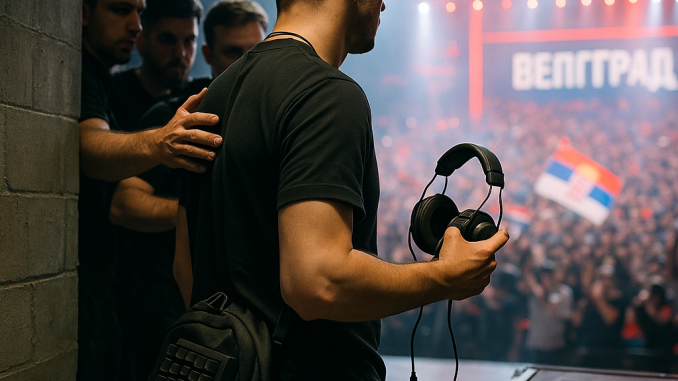
blameF afirmou que poucas vezes sentiu um palco tão pesado quanto o de Belgrado
Stage pressure is an intrinsic part of high-level esports. When a player describes a stage as particularly heavy, it points to more than just loud crowds or bright lights. It reflects a convergence of expectations, atmosphere and situational factors that can affect focus, decision making and team dynamics.
This article explores the elements that make a stage feel heavy, practical ways players and teams can prepare, and considerations for organizers that help create conditions where competition stays about skill rather than stress.
What makes a stage feel heavy
Perception of weight on a stage usually comes from intangible pressures. Audience intensity, a charged broadcast environment, and high stakes can combine to create a sense of urgency that is hard to ignore. For some players, that atmosphere amplifies normal performance anxiety into something more disruptive.
Physical factors also play a role. Unfamiliar sightlines, loud sound design, or cramped backstage areas can interfere with routine. Travel fatigue and changes in practice schedules before an event add another layer, making it harder for players to rely on familiar rhythms and automatic decision-making.
Team dynamics influence how heavy a stage feels. When communications become strained under stress, or when individual expectations collide with collective roles, the burden tends to feel larger. Conversely, teams that share responsibility and have clear leadership often perceive the same conditions as less oppressive.
How players and teams can manage heavy stages
Preparation is both practical and psychological. Establishing consistent pre-match routines helps create a sense of normalcy. These routines can include warmups that simulate match conditions, brief team check-ins, and simple breathing or grounding exercises to reduce acute anxiety.
Clear in-game roles and communication protocols reduce cognitive load during high-pressure moments. When each team member understands expectations and fallback plans, there is less need for on-the-fly decision-making that can be hampered by stress. Practicing those protocols in scrims with simulated crowd noise or broadcast interruptions can be useful for desensitization.
Support systems matter. Coaches, analysts and mental performance staff can provide perspective and tools for staying present. Open team conversations about how individuals experience pressure create an environment where players can ask for help early, before small issues escalate. Simple adjustments, like modifying monitor setups or controlling light exposure before matches, can also make a practical difference.
Organizers and the competitive environment
Event design influences how heavy a stage feels. Thoughtful scheduling that avoids overly long match windows and ensures adequate rest can help reduce accumulated fatigue. Production choices, such as balancing crowd microphones and avoiding sudden sound spikes, make the environment more predictable for competitors.
Facility layout and backstage amenities contribute to a sense of comfort. Private warmup areas, reliable equipment, and clear access to support staff allow players to focus on performance rather than logistics. Organizers who prioritize consistent, player-focused operations help shift attention back to the game itself.
Transparency and communication from organizers about schedules and procedures also reduce uncertainty. When teams can plan with confidence, they are less likely to experience the extra weight that comes from last-minute changes or unclear expectations.
Conclusion
When a player notes that a particular stage felt heavier than usual, it signals an interplay of atmosphere, physical conditions and team state. Recognizing those factors is the first step toward reducing unnecessary burden and improving competitive integrity.
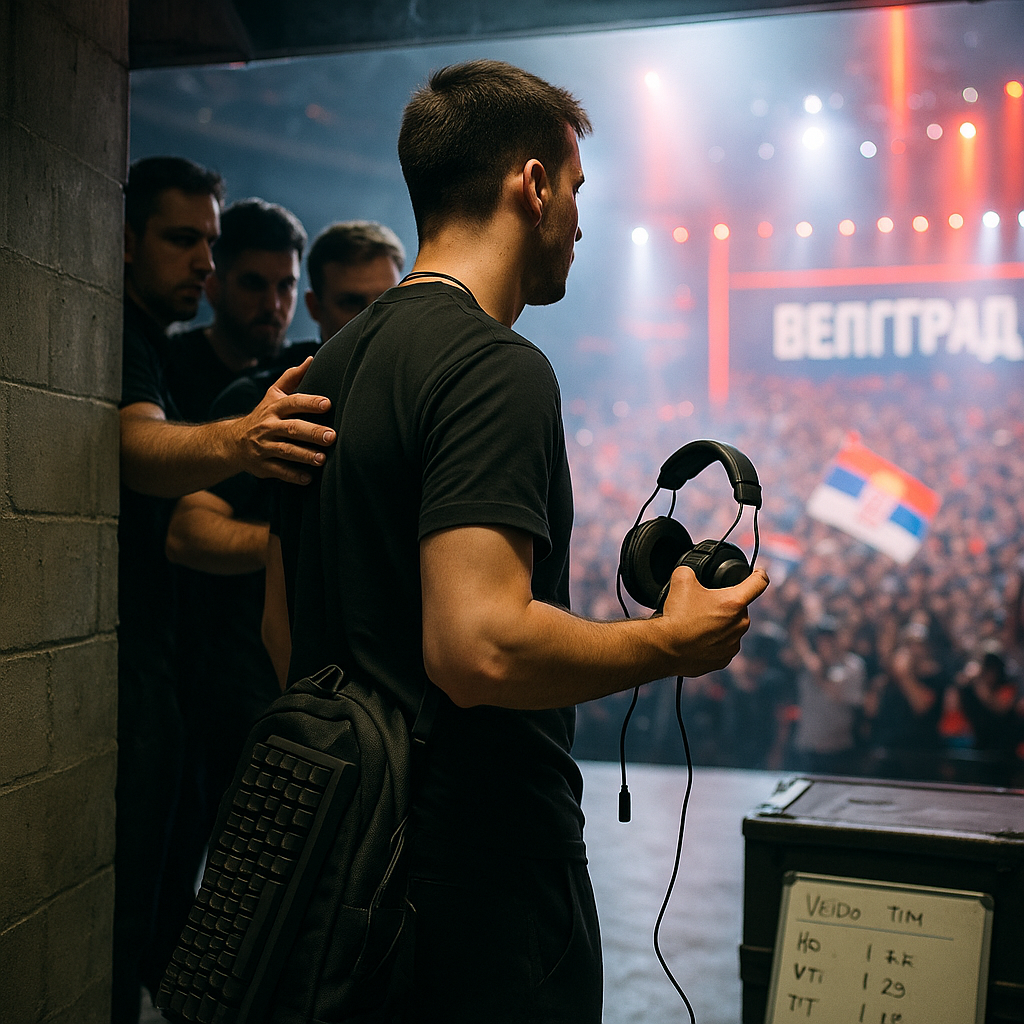
Practical preparation, clear team protocols and supportive event design all help mitigate the impact of a heavy stage. By focusing on these evergreen approaches, players and organizers can work toward environments where performance is determined more by skill and less by circumstance.