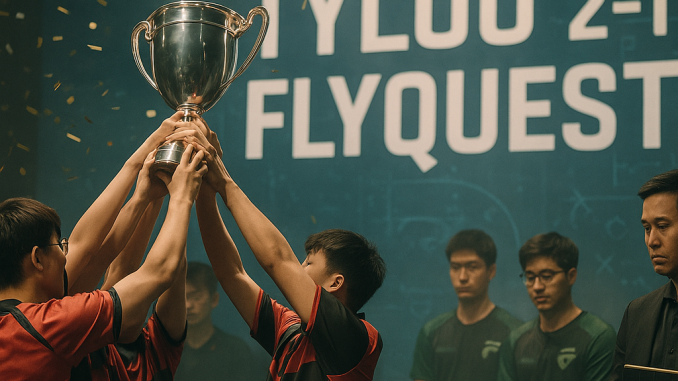
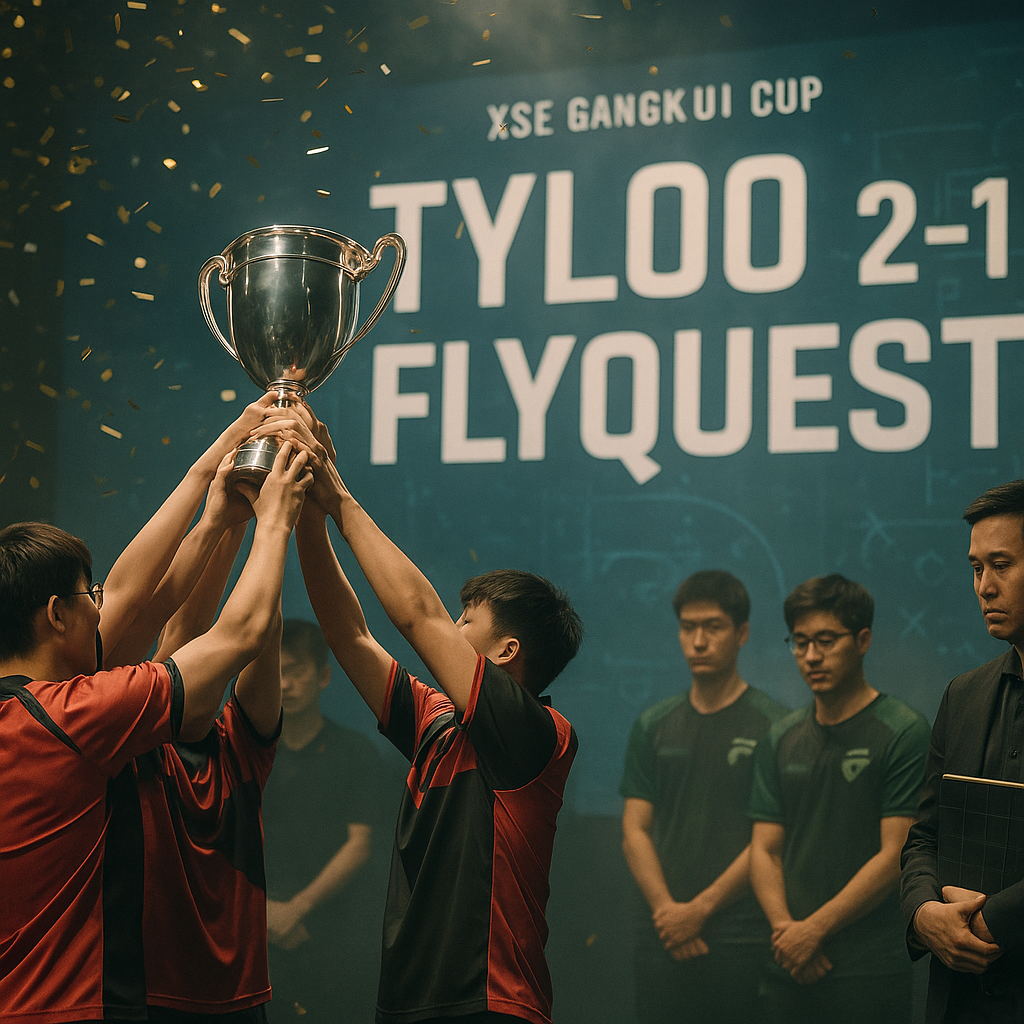
TYLOO 2×1 FlyQuest: o título da XSE GangKui Cup S2 ficou com os chineses
The reported 2×1 result between the two teams serves as a starting point for a broader discussion about competitive development, tactical evolution, and what such outcomes mean for the regional scene. Without relying on extra specifics, this article explores evergreen lessons that teams, coaches, and enthusiasts can draw from a closely contested final.
Matches decided in a best of three format often reveal not only which side executed better on the day, but also which organisations and lineups are shaping their processes to adapt across maps and momentum swings. The final scoreline can be read as an outcome, and the more valuable work is to translate that outcome into practical insights.
Tactical and strategic takeaways
A best of three usually exposes different facets of team play. One map may highlight deliberate strategic setups, while another rewards quick adaptations and mid-round decisions. Observing how teams respond to pressure and how they change approaches between maps is a helpful exercise for understanding high-level trends in matchcraft.
Key tactical elements to watch include map control concepts, utility usage patterns, and how teams manage transitions between aggression and passive holds. Rather than focusing on single plays, consider how systems are structured: are players given clear roles, and do those roles change when the opponent switches tempo?
From a coaching perspective, emphasis on repeated scenarios and decision trees can be more effective than polishing rare gimmicks. Teams that build reliable responses to common phases of a round are often better prepared for the varieties of situations that arise in multi-map series.
Team development and regional impact
When a team secures a title in a regional cup, the longer-term value often lies in momentum and validation of internal processes. For organisations and lineups, a successful run can reinforce training routines, roster cohesion, and confidence. These intangible benefits help sustain competitiveness over time.
Regional tournaments also serve as testing grounds for strategic innovation and talent showcasing. Players and coaches can use the higher-stakes environment to trial ideas and identify areas needing investment, such as communication protocols or specific tactical habits. The ripple effects are felt beyond a single match, contributing to the broader competitive ecosystem.
Importantly, outcomes of regional finals are part of a continuous cycle: teams learn, adapt, and seek improvements. Observers should pay attention to patterns rather than isolated results, noting how organisations respond after both wins and losses.
Practical guidance for teams, coaches, and fans
For teams aiming to improve, consistent practice structure matters. Divide preparation into phases that cover fundamentals, scenario work, and scrimmage review. Fundamentals include aim, movement, and basic economy management concepts. Scenario work should recreate common post-plant and retake situations to build muscle memory.
Demo review is a practical tool for incremental improvement. Focus on team rounds and decision points, then identify repeatable errors and successful patterns. Small, specific adjustments are often more sustainable than sweeping overhauls.
For organisations and individual players considering resource allocation, balance is key. Investing in practice infrastructure, quality coaching, and travel planning typically yields more competitive return than prioritising cosmetic purchases. That said, community-facing elements like custom gear and visual identity have a role in engagement, but they should not replace core competitive investments.
Fans and analysts can deepen their understanding by tracking role stability, communication styles, and adaptation between maps. These elements reveal why certain teams perform consistently while others fluctuate.
Conclusion
A 2×1 final provides a concise narrative but also opens a wide field of lessons about preparation, execution, and development. The immediate result is a milestone for the winning side, yet the long-term rewards depend on how teams build on the experience.
By focusing on tactical synthesis, steady team development, and disciplined practice habits, organisations and players can translate single-match success into lasting progress. Observers who study patterns and systems rather than isolated moments will get a clearer picture of where the competitive scene is headed.