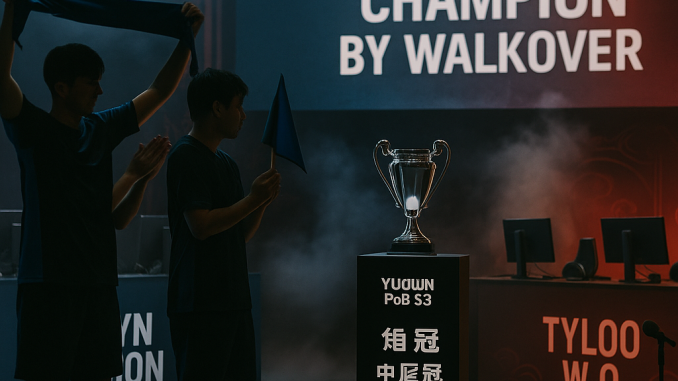
«Lynn Vision levou a Yuqilin PoB S3 depois do WO da TYLOO na final»
When a final match in a competitive tournament ends with a walkover, the result often raises questions beyond the scoreboard. In the situation where Lynn Vision was awarded Yuqilin PoB S3 after a walkover by TYLOO in the final, organizers, teams and fans face practical and reputational considerations. This article explores general lessons from such outcomes without asserting specific causes for that particular walkover.
Understanding walkovers and tournament processes
A walkover occurs when one side is unable or unwilling to play a scheduled match and the opposing side is awarded the win. Reasons can range from logistical problems and health issues to registration conflicts or disciplinary matters. Regardless of cause, a walkover in a final highlights the importance of clear tournament processes.
Tournament organizers typically publish rules that cover match forfeits, rescheduling windows and appeals. These rules aim to balance fairness, scheduling constraints and the integrity of competition. Organizers also need contingency plans for communication, prize allocation and public statements in order to maintain trust.
For teams, the existence of walkover provisions is a reminder to prepare beyond in-game performance. Administrative readiness, travel planning, clear internal communication and compliance with tournament requirements are part of modern esports professionalism. A single unplayed match can have outsized consequences for standing, morale and future invitations.
Team response and player preparation after a final decided by WO
When a final is decided without play, teams still have work to do on multiple fronts. From a sporting perspective, the awarded winner gains the title but misses an important competitive test. Teams can treat such outcomes as opportunities to reflect on preparation routines and team dynamics rather than only as a hollow victory or a squandered chance.
Coaches and analysts can use the time following a walkover to review broader strategy, refine practice schedules and reinforce mental preparation. Players may focus on maintaining competitive sharpness through scrims, individual skill work and scenario training. These activities help preserve momentum and readiness for upcoming events.
For the team that could not compete, rebuilding confidence and addressing the root causes are priorities. That can mean improving logistics, strengthening communication with organizers or addressing any internal issues that contributed to the inability to play. Neutral, methodical problem solving tends to be more effective than emotional reactions.
Broader impact on the scene and spectatorship
A final decided by walkover affects more than the teams involved. Fans and stakeholders expect marquee matches to be played, and a walkover interrupts that narrative. Organizers must manage expectations by offering transparent explanations and ensuring that similar situations are less likely in the future.
Sponsors, broadcasters and event partners also pay attention to how walkovers are handled. Consistent and professional responses help preserve relationships and commercial confidence. Clear documentation of outcomes and adherence to published rules are useful when explaining decisions to external partners.
From a cultural perspective, the competitive ecosystem benefits when lessons from walkovers are shared openly. Discussions about scheduling buffers, medical protocols, visa handling and dispute resolution can lead to better practices. Collaboration between teams, organizers and governing bodies often yields pragmatic solutions that reduce the chance of repeat incidents.
Practical takeaways for teams and organizers
Teams should maintain administrative checklists that cover registration deadlines, travel documents and contact points at events. Regular internal rehearsals for logistics and communication can uncover vulnerabilities before they cause match disruptions. Building a routine around non-game responsibilities is as important as practicing maps.
Organizers can prioritize transparent rules, rapid communication channels and contingency mechanisms. Clear timelines for appeals and a public explanation policy help manage community reaction. Additionally, investing in robust on-site support for participants can limit cancellations arising from preventable issues.
Both sides benefit from open dialogue. When teams understand organizer expectations and organizers receive timely information from participants, the likelihood of a high-stakes match ending prematurely drops.
Conclusion
A final decided by walkover, such as the circumstance in which Lynn Vision was awarded Yuqilin PoB S3 after a TYLOO walkover in the final, serves as a reminder of the many moving parts behind esports events. Beyond the title itself, the aftermath highlights governance, preparation and communication challenges. By treating walkovers as learning opportunities, teams and organizers can strengthen processes and reduce the risk of similar outcomes in the future.
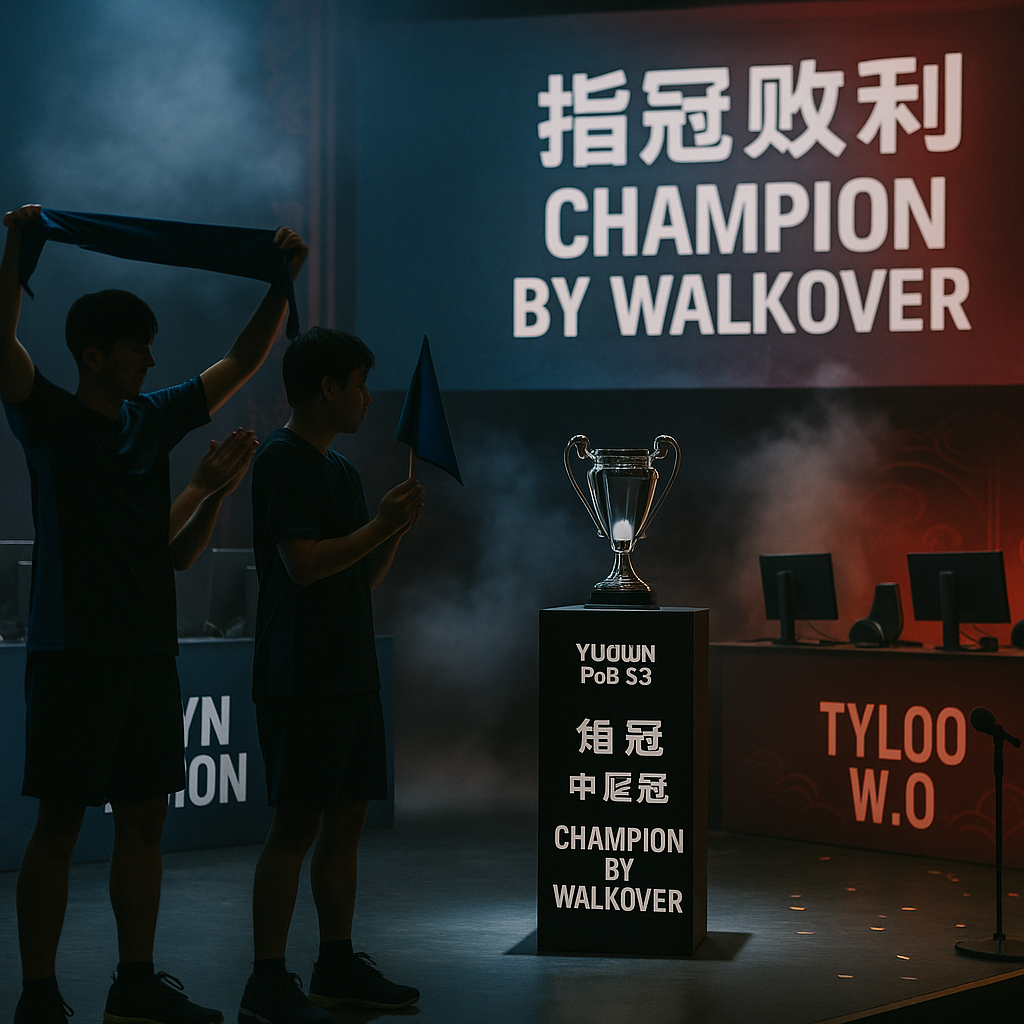
Ultimately, the competitive scene thrives when matches are settled on the server, but when walkovers happen, clear procedures and calm problem solving preserve the integrity and continuity of events. The focus for all parties should be on practical improvements that make high-level competition more reliable and professional.