
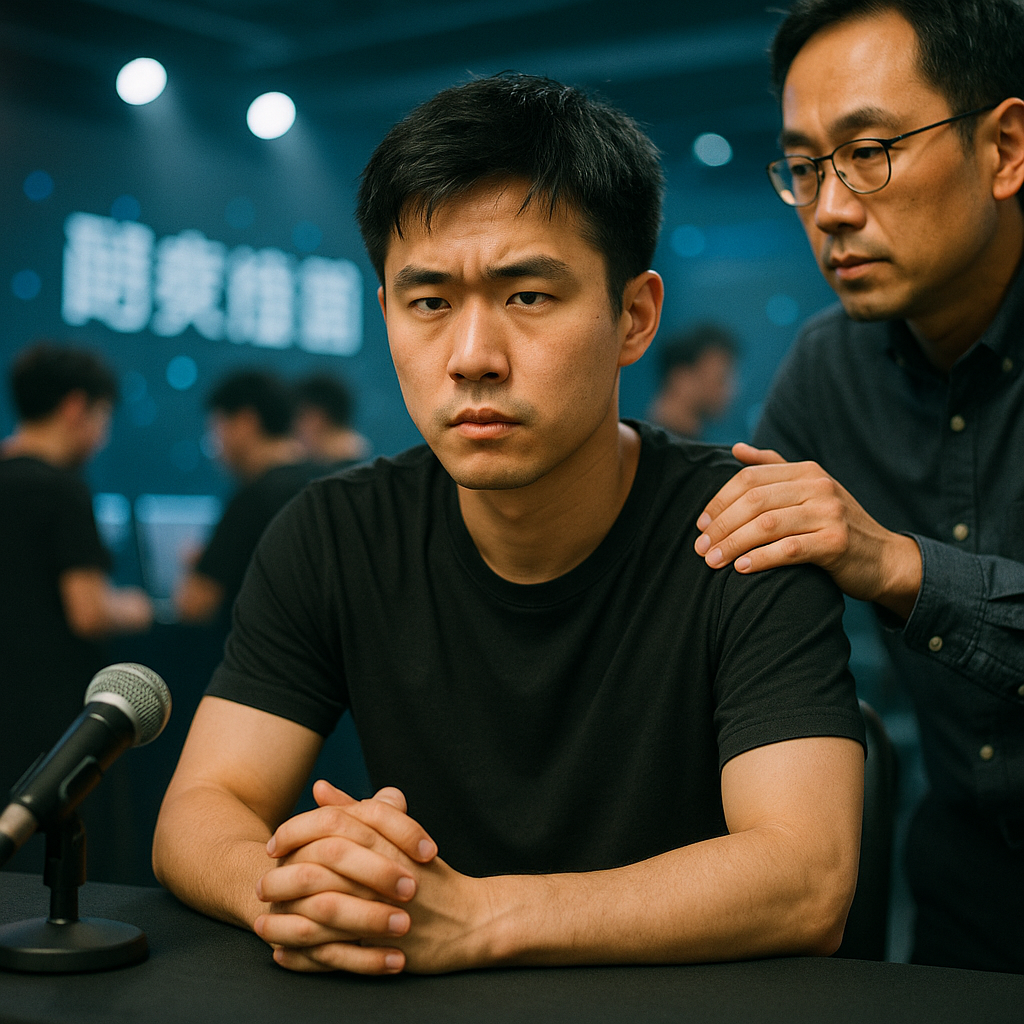
volt disse que vai enlouquecer se a equipe não jogar o próximo Major
Competitive gaming environments can produce strong emotional reactions. When a player signals intense frustration about the prospect of missing a major tournament, that reaction often reflects deeper pressures: personal ambition, team expectations, and the high stakes of a tightly contested circuit. Understanding how to respond constructively to such statements is important for teammates, coaches, and the player themself.
The aim of this article is to outline practical, evergreen strategies for managing emotional outbursts and channeling competitive drive into sustainable performance. The advice below emphasizes communication, mental preparation, and pragmatic steps that teams can use to reduce tension without turning responses into moralizing or blame.
Recognize what the statement reveals
A declaration that a player will become extremely upset if a team misses a major is often a symptom rather than the root cause. It can point to personal investment in results, fear of missed opportunity, or a mismatch between expectations and the current state of preparation. Treating the remark as a signpost helps shift focus from the phrase itself to the underlying concerns that need attention.
Teammates and staff should approach such moments with curiosity rather than immediate judgment. Asking open questions about what specifically worries the player can clarify whether the issue is confidence, practice routines, role clarity, or external pressures. Framing follow-up in neutral terms reduces defensiveness and opens channels for constructive adjustment.
Practical team responses and communication
Clear, calm communication is the most effective immediate response. A short, private conversation can defuse tension: acknowledge the intensity of the feeling, invite the player to name the specific fears, and outline concrete steps the group can take. Public reactions that escalate the moment are generally unhelpful.
Establishing agreed-upon norms for emotional expression helps a team handle similar incidents in the future. Norms might include debrief procedures after practice, designated times for airing frustrations, and commitments to avoid personal attacks. When every member knows how the group will respond, emotional statements become manageable inputs rather than destabilizing events.
Focus on process over outcome
Statements tied to missing a major emphasize outcome-based thinking. Teams that shift attention back to process—practice habits, tactical preparation, role clarity, and recovery—reduce the emotional load attached to results. Concrete process goals give players a sense of control and steady progress.
Coaches and leaders can convert anxiety about outcomes into short-term, measurable tasks. For example, specify practice objectives, review game plans, and schedule focused scrims that target identified weaknesses. Progress on those tasks often mitigates the catastrophic thinking behind declarations of extreme distress.
Mental health and professional support
High-pressure competitive environments benefit from mental skills work. Players who feel overwhelmed should be encouraged to use techniques like breath control, mental rehearsal, and cognitive reframing. Those techniques help transform intense emotions into constructive arousal rather than destabilizing anxiety.
When available, professional support from sports psychologists or counselors provides long-term value. Such professionals can offer tools tailored to competitive performers, help normalize common reactions to pressure, and build resilience strategies that reduce the likelihood of public outbursts.
Balancing motivation and wellbeing
Passion for competition fuels improvement, but unchecked pressure can erode performance. Teams should cultivate environments where motivation is sustained through supportive feedback, balanced workloads, and realistic expectations. Praise for effort and tactical improvement reinforces a growth mindset that lessens fear-driven reactions.
Leaders should also monitor signs of burnout and allow for recovery. Rest, role rotation, and mental downtime are legitimate parts of high-level preparation. Accepting that recovery supports performance helps prevent the cycle where fear of missing an event creates conditions that make missing the event more likely.
Conclusion
A player expressing that they might “go crazy” if the team misses a major signals intensity, not inevitability. Treating the remark as a prompt for calm inquiry, clearer communication, and process-focused planning produces better outcomes than reacting with punishment or dismissal. Addressing underlying concerns, providing mental skills resources, and reinforcing team norms helps convert emotional energy into sustained competitive performance.
Over time, teams that manage intense reactions with clear procedures and support build resilience. That resilience enables players to channel ambition into consistent preparation rather than episodic outbursts, creating a healthier foundation for high-level competition.